
MORE OF PABLO
THE RIPPLE INTERVIEW WITH JOSUE
Pablo and Josue talked about their childhood, experiences, and Pablo's deep love and admiration for his brothers in SB19.
PABLO AND YANI ON RAPPLER
The then CEO and COO of 1Z Entertainment talked about their vision and mission, and how they want to set a new standard in the music and entertainment industry.
PABLO ON STRICT GRAMMAR IN MAKING MUSIC
Pablo elegantly answered a question about grammar and sentence construction in making music.










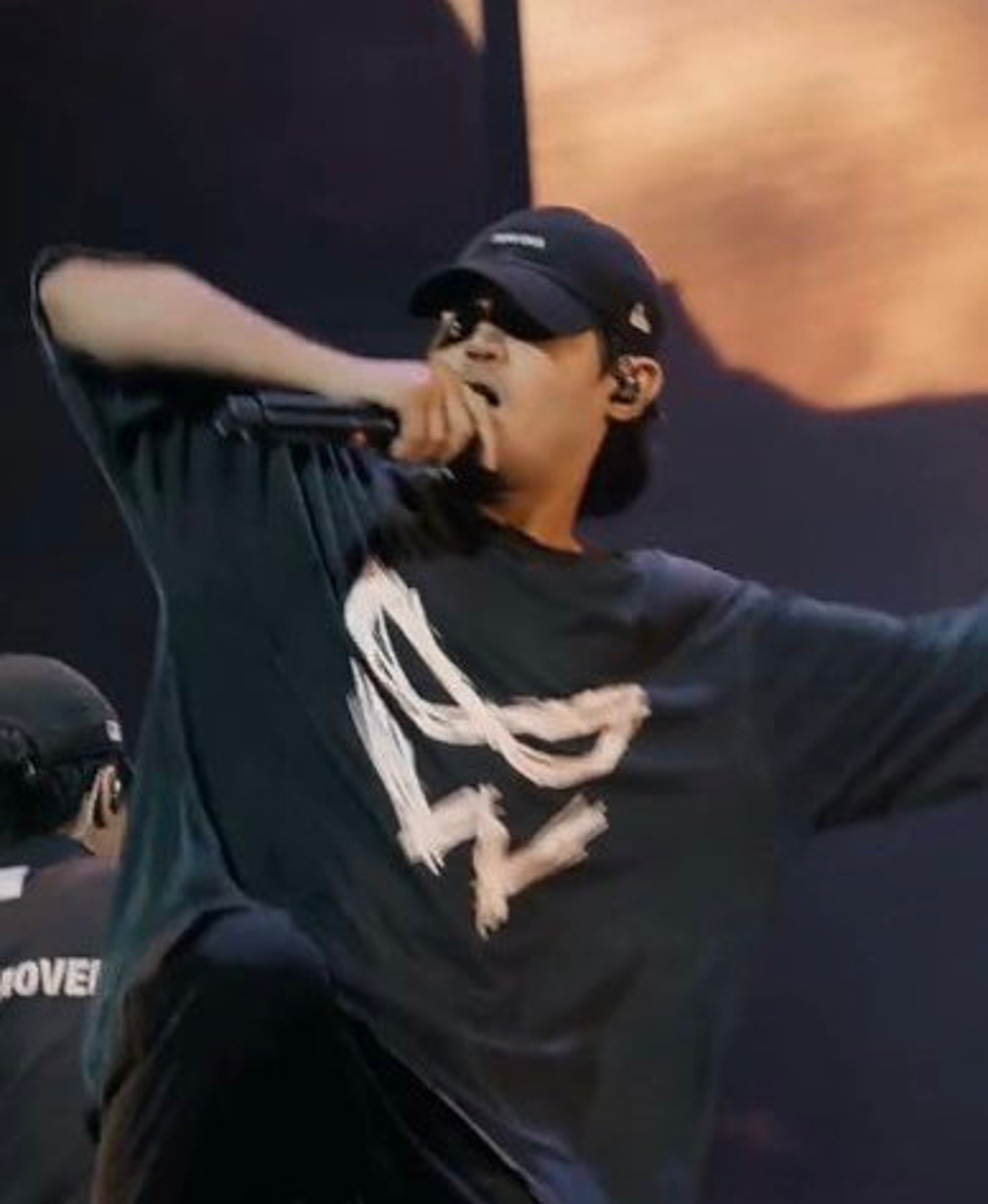

The Boy Who Cried Wolf by Pablo
(a critical analysis)
A lot of SB19 songs na si Pablo ang sumulat are either accounts of his personal struggles o kaya naman pasilip sa pinagdaanan ng grupo nila before and after "arriving" at success--kung paano sila pinatatag ng mga pagsubok, kung paano sila pinanday ng mga rejection. Well-documented naman na yan sa mga interview sa kanila. Nothing else exemplifies it better than their biggest hit: Gento--"'Di ka basta-basta makakakita ng gento..Pilit na hinukay ang bumbunan makakita lang ng ginto." By coining the word "gento," Pablo hits two birds using one and the same "stone." Ginto at ganito (this). It's as if saying na "ganito na kami ngayon - ginto," while taking us into a tour kung gaano kahirap ang proseso ng pagmimina ng ginto, ang pinagdaanan ng bato para maging ginto. Literal na buwis buhay kung minsan. Let me correct myself. Gento is actually not a coined term. It's more like a variant spelling. That's how young peeps spell and pronounce the word "ganito." Well, mahusay na na-capitalize ni Pablo yung collective consciousness at language ng present-day audience, para mas madaling ipaabot yung mensahe. Needless to say, his creative processes are very much ahead of his contemporaries. Going through the lyrics of Pablo's songs, I also realized that he's somewhat a confessional poet. Pero bago kumunot ang noo ng mga nasa loob ng literary circle, allow me to qualify my previous statement. Pablo's songwriting is arguably a form of confession. Of course hindi pa kasimpino ng panulat nina Berryman o ni Plath. Magkaiba naman kasi ang standard ng poetry(text) at ng song lyrics. Mas mataas talaga ang standard ng poetry. Kasi naman, it stands (it should stand) alone on the page. Hindi katulad ng song lyrics, it can be enhanced by melody, instrumentation tsaka vocal expression. Naikumpara ko lang naman si Pablo sa confessional poets kasi his themes usually revolve around personal trauma, personal dilemma, self-redemption, etc. Tsaka he speaks directly to his audience, na para bang ginagawa nyang human diary ang kanyang listeners. Bihira yung may ganitong sensibilities among male music artists sa bansa. (JK Labajo is a good candidate.) FYI, one of my alltime favorite songwriters is Joni Mitchell. For me, sya yung pinnacle ng confessional songwriting. Even the likes of Taylor Swift and Lana del Rey are influenced by her unique approach to lyricism.
Anyway, let's get back to the subject. Pagkatapos kong panoorin ang lyric video ng "The Boy Who Cried Wolf," I was immediately moved. It almost brought me to tears. Ang lakas eh. Spell-binding. Kaso natanong ko initially sa sarili, bakit kaya "The Boy Who Cried Wolf" ang title? Hindi ko makonek sa fable ni Aesop eh. Ang ispluk kasi ni Aesop, may isang bagets na tumawag ng saklolo, inaatake raw sya ng wolf. Pagdating ng saklolo, wala namang wolf. It's a prank! Kaya nung may totoong wolf na talaga, keber na lang ang mga utaw kahit mega krayola na ang lolo nyo. Ang lesson, wag paglaruan ang emergency hotlines. Pero parang hindi naman ganito yung tema ng kanta. Well actually, ang brilliant ng idea ni Pablo. While it may not directly retell the classic Aesop fable, it reinterprets its themes of trust, perception, and self-destruction. Pero ang twist? Pablo shifts the perspective to the wolf and, more importantly, to the "crying" itself, in a world that does not listen. So hindi yung "boy" ang main character dito kundi yung "wolf" at yung alulong nya.
"Everybody telling that the wolf is bad
Ain't nobody telling when the wolf is sad
And because of that the wolf is goin' mad
'Cause there's nobody willing to understand"
Kahit yung phrasing ng first stanza, superb. Sukat na sukat eh. I have a feeling na naging fellow ng creative writing workshop ang mamang ito. Pansinin na 11 syllables ang bawat linya. This is odd. Kadalasan kasi, even number ang sukat. Halimbawa, sa mga sonnet ni Shakespeare, ginagamit nya ang iambic pentameter. Limang iambic foot yun. For every iamb ay may dalawang syllables--unstressed at stressed. (In particular order.) So that's a total of 10 syllables per line. Sa tulaang Filipino naman, andyan ang lalabindalawahin, lalabing-animin at lalabingwaluhin etc. Pablo chose an odd number of syllables, kasi normalcy bores him. Kung nabo-bore naman kayo sa technical terms, you can skip this part.
Ang tawag sa ginawa ni Pablo sa stanza na ito ay "trochaic tetrameter" na may isang trailing dyctal. Nosebleed na ba agad? Allow me to explain the terms.
Trochaic tetrameter is a meter featuring lines composed of four trochaic feet. Ano ba yung trochaic feet? Trochaic is the adjective form for trochee. A trochee is a foot consisting of a stressed syllable followed by an unstressed syllable. (DUM-da) Kabaligtaran ito ng iamb. Pati kayo stressed na ano?
Gawa tayo ng apat na trochee:
DUM-da DUM-da DUM-da DUM-da
Now compare that sa line na ito:
EV-ry BO-dy TE-lling THAT-the
So tama diba? Apat na trochee. Apat na DUM-da. Yung last three syllables lang ang naiba. Kasi dactyl yun. Ano naman yung dactyl? It is a metrical foot consisting of one stressed and two unstressed syllables. For example: TEN-derly, DY-nasty, SOU-venir.
Sa case ng first line, the trailing dactyl are the words "wolf is bad." Bigkasin nyo: WOLF-is bad. O diba? One stressed followed by two unstressed syllables.
So if you put them together, meron na tayong apat na trochees (8 syllables) plus isang dactyl (3 syllables). For a total of 11 syllables.
EV-ry BO-dy TE-lling THAT-the WOLF-is-bad
Uulitin nya lang itong rhyme and meter nya sa susunod na tatlo pang linya:
AIN't-no BO-dy TE-lling WHEN-the WOLF-is-sad,
AND-be CAUSE-of THAT-the WOLF-is GO-ing-mad,
'CAUSE-there's NO-bo DY-wil-Ling-to UN-der-stand.
Itong 4th line, kaunting kaunti lang makakaintindi kung bakit clever itong syncopation na ito. Ang natural na prosody nito ay iambic tetrameter dapat na may trailing dactyl.
cause THERE'S no-BO dy-WIL ling-TO UN-der-stand.
Alam nyo lang na masarap sa tenga. Pero there's a science behind it. Ito yung masarap na dissonance. Prosodic dissonance. Kantahin nyo yung "Unconditional" ni Katy Perry. Ang weird diba? Ang awkward. Binasag kasi nito yung prosody. [un con DI tio nal] ang tamang prosody pero nilipat nya ang stress sa syllable na TIO at naging [un con di TIO nal]
Masakit ba sa tenga? Masakit sa una pero kapag inulit ulit, masarap. Hmmm.
Going back to the first stanza, kapansin-pansin din yung choice of words--bad, sad, mad, Napaka-basic diba? Walang conscious effort na mag-malalim. Wala namang masama sa "lalim" eh. I always encourage my readers to intellectualize. You don't need to use big words to think big. Basahin nyo si Hemingway. He hardly used multisyllabic words and fancy adjectives. Just because the language is simple doesn't mean it's shallow. Hemingway and Pablo achieved simplicity after mastering complexity. Also, using the plainest of words to convey profound meaning is like proudly flaunting your "dressed down" partner in public. True love. Which reminds me of the simple and sweet and sincere lyrics to "Ordinary Song".
"I don't even have the looks
To make you glance my way
The clothes I wear may just seem so absurd"
Isa yan sa halimbawa ng unpretentious lyricism that tugs you at your heartstrings. Tsaka very Pinoy diba? Ganyan naman talaga tayo mag-Ingles kung hindi lang tayo masyadong pressured to keep up with Westernization of everything.
Sulyapan natin nang isa pa:
"Everybody telling that the wolf is bad
Ain't nobody telling when the wolf is sad
And because of that the wolf is goin' mad
'Cause there's nobody willing to understand"
Napansin nyo rin ba kung papaano inawat ni Pablo yung monotony ng rhyme scheme nya? AAAB
Gumamit sya ng perfect rhymes sa unang tatlong stanza sabay kambyo sa pang-apat with a slant rhyme. Parang yung chorus ng Magda ni Gloc9, sung by Rico Blanco:
Magdalena, anong problema
Alam naman natin na dati kang Nena
At sa iyong ama ikaw ay prinsesa
Anong nangyari sa'yo? (AAAB)
That's an effective way of breaking the pattern, the predictability. At parehong alam ni Gloc at ni Pablo kung paano ito mas magiging impactful pa by matching it with a contrasting melody,
Nasa unang stanza pa lang tayo. Ni hindi pa natin napag-uusapan yung melody. Yung nuances. Yung calculated pauses before transitioning from one line to another.
Let's move to the next stanza:
"Maybe I should be more like the sheep instead
Maybe they will listen if inside I'm dead
Maybe all these maybes just because I'm scared
'Cause the truth is ugly, and I'm not prepared"
Lapat na lapat, syllable per syllable. Just like the first stanza. Lahat ng corresponding notes per syllable ay "mirrored" dito sa second stanza. Napaka-linis gumawa. Parang si Mccartney. (Check out Eleanor Rigby).
"Maybe I should be more like the sheep instead
From wolf na simbolo ng pagiging alpha male at ng aggression, he now considers being a sheep which symbolizes conformity ("being like the sheep") as a way to gain acceptance, but this internal conflict--trying to suppress his voice--only leads to deeper self-destruction.
"Maybe they will listen if inside I'm dead"
Whoa. Grabehan ito. Nakakarelate ako. Aggressive kasi akong tao and it usually is a problem sa industry. I always speak my mind--I speak truth to power and that almost always puts off authorities. Kaya madalas akong ma-gatekeep. I've asked myself that question before, should I silence my voice and just go with the flow? Malakas din siguro ang alulong ko kaya nagtatakip sila ng tenga. May kasabihang "those who keep company with wolves will learn how to howl." Can we say the same thing with "sheep?" Those who keep company with sheep will "unlearn" how to howl? Those who conform will eventually lose their voice. But my voice is my life. Suppressing it is tantamount to killing myself. Aanhin ko yung approval ng iba, kung patay naman ako deep inside? Yan yung introspections na na-summarize ni Pablo with one single line.
"Maybe all these maybes just because I'm scared
'Cause the truth is ugly, and I'm not prepared"
Again, very sharp. Nothing can prepare us from confronting the ugly truth--na tayo ay under the control of a greater force, and that compelling, unstoppable force is public perception.
Pansinin ang setup ng kantang ito. Kung papaanong nagsimula nang dahan dahan, halos pabulong. Pansinin ang mga espasyo sa bawat taludtod. Until it bursts into a cry:
"To face myself, and find that I'm
The biggest lie I'm tryin' to hide"
Napakaganda ng melody nitong pre-chorus. Sa 1st and 2nd stanza, sinadyang magkakalapit lang ang mga nota. The technical term for that is "conjunct motion." Maliliit lang ang hakbang paitaas at paibaba. Kabaligtaran naman nito ang disjunct motion. Ito yung may mga biglang pagtalon or "melodic leaps."
"To face myself, and find that I'm
The biggest lie I'm tryin' to hide"
Pansinin na isang buong octave ang nilundag na nota mula sa salitang TO papuntang FACE.
Hindi na rin pabulong kundi pasigaw. Pablo is also a master of dynamics. At alam nya kung kailan ito gagamitin to tell a compelling story.
You can picture it like a film. Sa simula, it's just the wolf doing some introspection. Nagmumuni. Nagtatanong sa sarili. And then all of a sudden it bursts into an emotional crescendo.
Kaunting kaunting songwriters lang sa kasaysayan ng OPM ang may ganitong sensibilities.
Then comes the vocal adlib:
"Na, ooh-oh-oh, oh-oh-oh
Na, ooh-oh-oh, oh-oh-oh"
Powerful device din itong vocal adlib for dynamic build-up. Ginagamit itong buwelo or climb para mas fluid yung movement from verse to chorus, minsan naman melodic filler lang. Sa kantang ito, hindi lang sya basta filler eh. Pablo knows how to use this device; giving the listener a moment to absorb the music. Ito yung sinasabi ko kaninang spaces, pauses. Everything in this song serves a purpose. Madalas din itong gamitin/gawin ni Bruno Mars. Minsan before the chorus, like in the case of "When I Was Your Man. Minsan naman, right after the chorus, katulad ng ginawa nya sa "It Will Rain."
But in this song, hindi lang basta vocal adlib ito:
"Na, ooh-oh-oh, oh-oh-oh
Na, ooh-oh-oh, oh-oh-oh"
These are Pablo's cry for attention, for help, for understanding.
THESE ARE THE WORDS UNSAID.
===
Apat na chords nga lang pala ang ginamit ni Pablo sa kantang ito.
A F#m E at Dm.
Four chords lang pero sobrang rich ng melody. Ito yung tinuturo ko sa mga songwriting workshop, at dito madalas natatapilok ang mga baguhang songwriter.
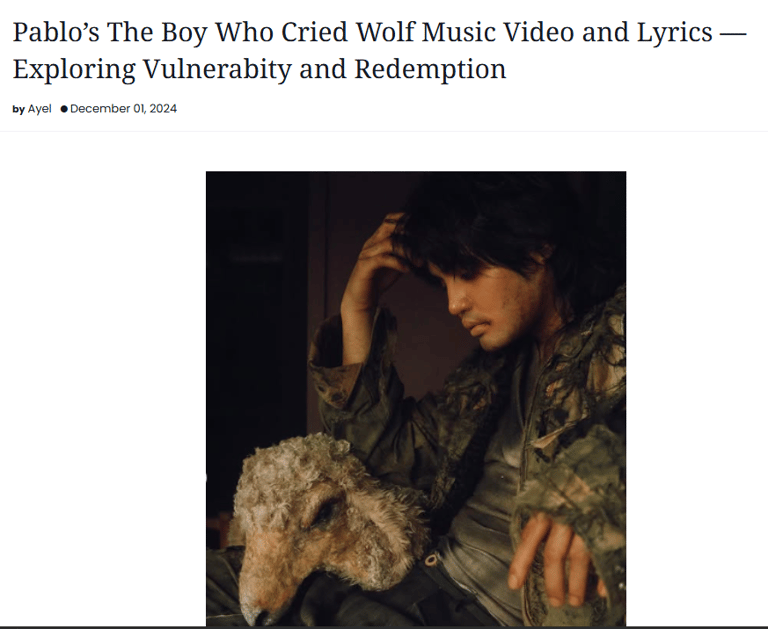
Musika Central's Analysis on The Boy Who Cried Wolf
"Pablo, SB19’s multitalented leader, strikes a chord with his emotionally raw track, The Boy Who Cried Wolf. This song isn’t just music—it’s a plea for understanding, a deep dive into inner battles, and a universal reminder that nobody’s struggle is theirs alone."
CONTACT US